Dr Chin Explores Nasal polyps: Learn the facts, avoid the risks, and take control
Nasal polyps are soft growths in the nasal cavity that can cause chronic sinusitis, blocked airways, and sinus infections.
📧 info.familyent@gmail.com

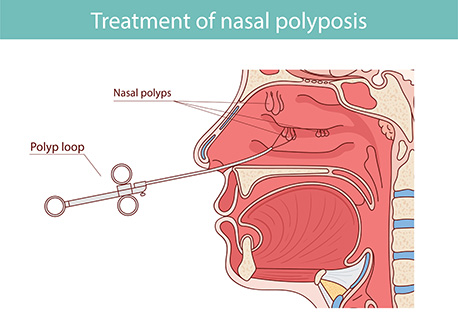
Nasal polyps are soft growths in the nasal cavity that can cause chronic sinusitis, blocked airways, and sinus infections.

Sinus issues are among the most common complaints in ENT care, often beginning with subtle symptoms that can be mistaken for a cold or allergies.
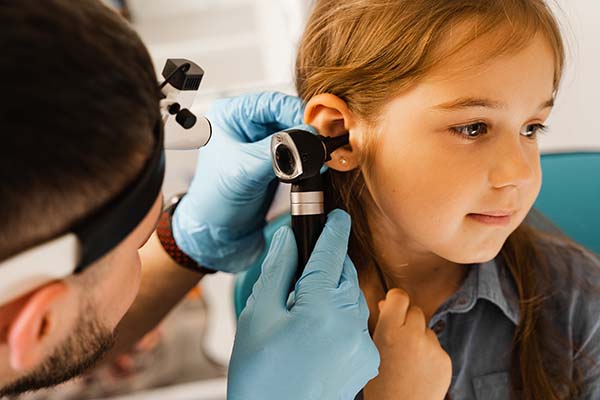
Pediatric ENT is a medical specialty that focuses on diagnosing, treating, and managing ear, nose, and throat conditions in children.

Pain in the outer ear often happens due to swelling, inflammation, or an infection. The outer ear has sensitive skin and cartilage. When it gets irritated, it can feel very uncomfortable.

Hypopharyngeal cancer refers to malignant tumours in the hypopharynx, the lower part of the throat where the larynx and oesophagus meet.

Hypopharyngeal cancer refers to malignant tumours in the hypopharynx, the lower part of the throat where the larynx and oesophagus meet.

Oropharyngeal cancer affects the middle part of the throat, including the tonsils, base of the tongue, soft palate, and the pharyngeal walls.

Nasopharyngeal carcinoma (NPC) is a rare cancer affecting the upper part of the throat behind the nose.

Oral cancer is a serious yet often preventable condition that affects the tongue, gums, inner cheeks, and other parts of the mouth.

Cancers affecting the nasal cavity and paranasal sinuses are uncommon but can be aggressive. They are part of a broader category of head and neck malignancies
End of content
End of content