
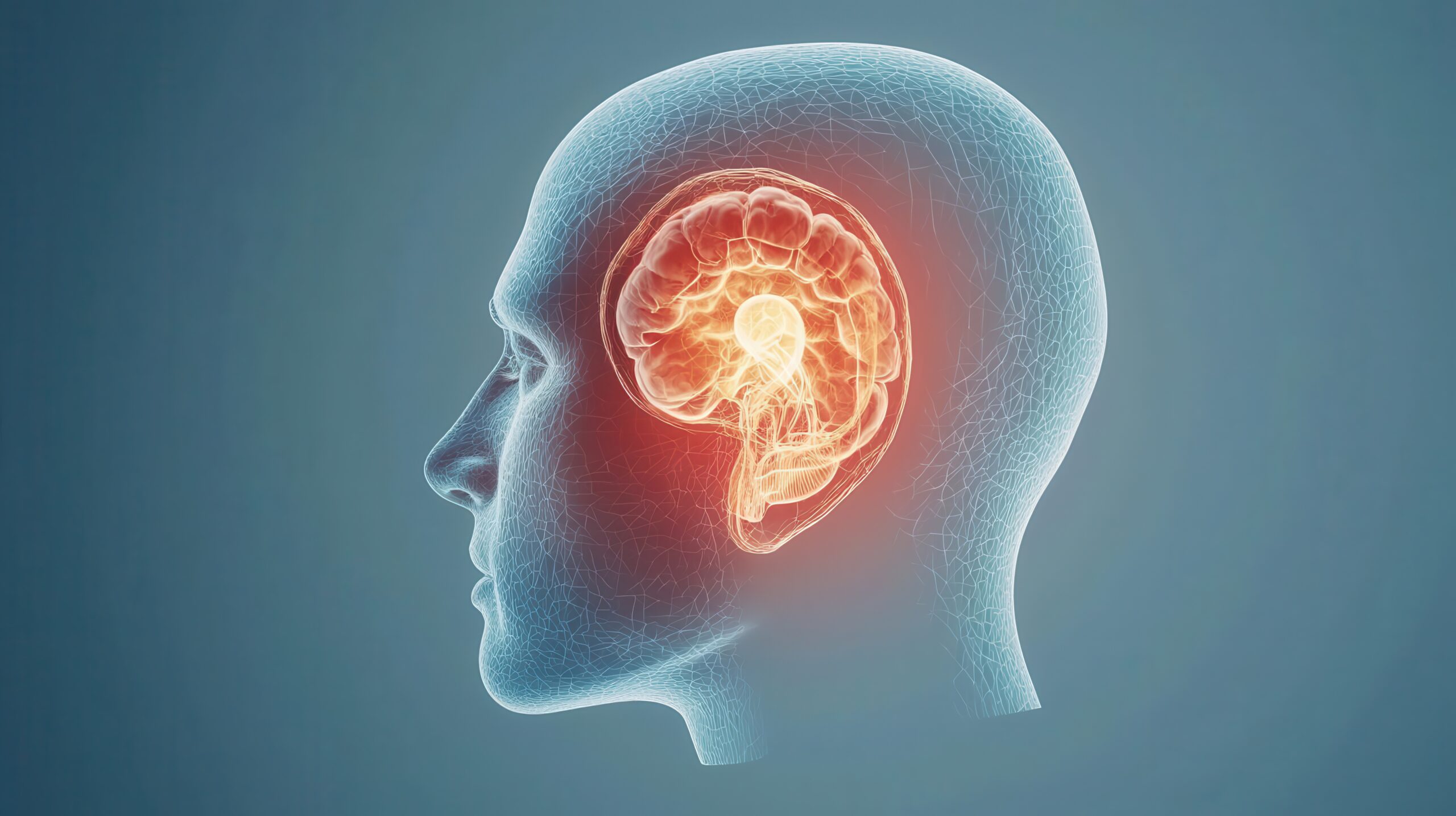
Dr Chin takes a quick dive in to Inner Ear and Balance: Understanding Dizziness and Hearing
Discover the crucial role of the inner ear and balance in dizziness and hearing. Explore the connection between your brain and balance on our blog.
The inner ear balance system, located within the temporal bone, is crucial for hearing and maintaining balance. It consists of parts like the otoconia, stereocilia, and fluid-filled canals that detect head position and movement, sending vital sensory information to the brain via the vestibular nerve. When this network malfunctions due to conditions like vestibular neuronitis, labyrinthitis, otitis interna, or herpes zoster oticus, people may experience symptoms like dizziness, nausea, vertigo, or balance loss.
These disorders may result from viral infections, flu, or complications in the middle ear or ear canal. In severe cases, issues like fullness, low blood pressure, or coexisting health conditions may worsen balance problems. Management often involves evaluation by an audiologist, otolaryngologist, or healthcare provider, and treatments may include antihistamines, physical therapy, or counselling.
Inner Ear Structures That Influence Balance
The vestibular system, a vital organ of balance, relies on specialized inner ear parts to detect movement, process sound waves, and sense head position. It works with other sensory systems to maintain balance and spatial awareness. Disruptions in the inner ear can cause dizziness, vertigo, or balance loss. Common conditions include vestibular neuritis, Meniere’s disease, and benign paroxysmal positional vertigo (BPPV). Understanding these systems is crucial for health information seekers and family members dealing with complex vestibular issues. Proper assessment helps restore balance, whether standing still or walking in a straight line.
Semicircular Canals and Otolith Organs
The semicircular canals respond to rotational head movements, while the utricle and saccule detect linear acceleration. These structures rely on fluid motion and small crystals to activate sensory hair cells, triggering nerve impulses to the brain.
Cochlear and Vestibular Nerves
The cochlear nerve carries sound signals, and the vestibular nerve transmits balance information. Damage or inflammation to either nerve can affect both hearing and equilibrium, making these closely linked systems critical in ENT evaluations.
Hearing, Brain Processing, and Dizziness
Hearing and balance signals are closely connected and can interact in dysfunctional cases like otitis media or inner ear infections. The tympanic membrane and ossicles transmit sound vibrations to the cochlea, which are converted into electrical signals. These signals, along with balance input, are processed in the brainstem and cerebellum, coordinating posture, eye movement, and auditory perception. Inconsistent signals can cause high-frequency hearing loss, vertigo, or unsteadiness.
Conditions That Impact the Inner Ear-Brain Connection
- Swimmer’s Ear (Otitis Externa): While external, it can lead to inflammation that affects nearby inner structures.
- Temporal Bone Fractures: Can damage both hearing and balance organs, leading to sensorineural hearing loss and vertigo.
- Acoustic Neuromas: Tumours affecting the cochlear and vestibular nerves, causing hearing loss, imbalance, or tinnitus.
Accurate diagnosis often requires imaging, hearing tests, and vestibular assessments to isolate the root cause. Medical literature, such as resources from StatPearls Publishing, underscores the importance of an integrated approach in managing inner ear and neurological disorders.
- About the Author
- Latest Posts

Dr Ronald Chin is an Australian trained Otolaryngologist Head and Neck Surgeon.
After graduating as a Fellow of the Royal Australasian College of Surgeons, Dr Chin undertook further specialised training in Head and Neck Cancer at the Royal College of Surgeons in Ireland.
He has published many research papers and is an active teacher and scholar.
As part of his subspecialty training, Dr Chin has training in Laser, Da Vinci Robotic, Flex Robotic and complex surgical techniques.
In addition to specialised Head and Neck Cancer, Dr Chin also enjoys general adult and paediatric ENT Surgery and practices sinus, snoring/sleep and general paediatric ENT Surgical procedures.
Dr Ronald Chin works as a general Otolaryngologist, offering a wide range of surgical and non-surgical treatments including ear surgery, nose surgery and throat surgery. He provides treatment for chronic conditions such as tonsillitis, sinus problems and problems with hearing.
He is also involved in the diagnosis and treatment of many conditions such as facial paralysis, head and neck cancer and sleep apnea. As well as performing surgery on children, he also provides specialist care for adults, including the treatment of throat disorders, voice loss and ear problems.
Dr Chin has also served as a Conjoint Associate Professor at the University of Sydney, a Conjoint Associate Professor at Western Sydney University and an Adjunct Associate Professor at the University of Technology Sydney.