

Dr Chin’s Guide on Partial vs. Total Thyroidectomy: Key Differences Explained
Confused about the differences? Explore the key aspects of Partial vs. Total Thyroidectomy, including size, symptoms, and risk factors in our blog.
Thyroid surgery is a common surgical treatment for various thyroid disorders, including thyroid nodules, thyroid cancer, and benign thyroid disease. The decision between a partial thyroidectomy and a total thyroidectomy depends on multiple factors—especially the size of the issue, symptoms, and cancer risk.
Performed by ENT surgeons in a highly precise neck surgery, both options involve removing part of your thyroid gland or the entire thyroid, typically through a small incision in the front of your neck under general anesthesia.
What’s the Difference Between Partial and Total Thyroidectomy?
Choosing between a partial and total thyroidectomy depends on the condition of the thyroid gland, the nature of the disease, and long-term treatment goals. Here’s how the two compare:
| Type of Surgery | What It Involves | When It’s Considered |
|---|---|---|
| Partial Thyroidectomy | Removal of part of the thyroid gland, usually half of the thyroid. | Ideal for benign nodules, low-risk tumors, or diagnostic uncertainty. |
| Total Thyroidectomy | Removal of the entire thyroid gland. | Used for thyroid cancer, large goiters, or multiple nodules across the whole thyroid. |
Why Size, Symptoms, and Risk Factors Matter
The decision to undergo a partial or total thyroidectomy depends on the specific characteristics of your thyroid condition, which are influenced by key factors.
- Nodule Size: Larger nodules may require more extensive surgery, especially if they cause compression or cosmetic concerns.
- Thyroid Cancer Risk: Results from fine needle aspiration, thyroid ultrasound, and blood tests help determine if a more aggressive surgical approach is necessary.
- Symptoms: Difficulty swallowing, breathing issues, or visible swelling in the lower neck may prompt a total thyroidectomy.
- Lymph Node Involvement: If cancer has spread to lymph nodes, surgeons often perform lymph node dissection along with removing the entire thyroid.
- Hormone Function: A partial thyroidectomy may preserve enough thyroid tissue to maintain normal hormone production, potentially avoiding the need for lifelong thyroid hormone replacement.
- Recurrence Risk: Patients at high risk for cancer recurrence may eventually need a completion thyroidectomy if only part of the thyroid was initially removed.
What to Expect After Surgery
| Post-Surgery Concern | Partial Thyroidectomy | Total Thyroidectomy |
|---|---|---|
| Need for Hormone Therapy | Sometimes avoidable | Lifelong synthetic thyroid hormone needed |
| Calcium Management | Low risk of affecting parathyroid glands | May require oral calcium supplements if parathyroids are disturbed |
| Vocal Cord Function | Lower risk | Higher risk of vocal cord paralysis, though still rare |
| Hospital Stay | Usually shorter | May need extra monitoring |
| Recovery Time | Typically quicker | Slightly longer, depending on extent of surgery |
Role of ENT Surgeons and the Healthcare Team
ENT specialists are trained to protect vital neck structures during thyroid surgery. Healthcare teams evaluate medical history, imaging results, and thyroid hormone levels to recommend the most appropriate surgery. Modern advances in thyroid cancer surgery and minimally invasive procedures have improved outcomes and reduced rare complications. Decisions should be personalized based on risk, goals, and long-term management needs.
- About the Author
- Latest Posts
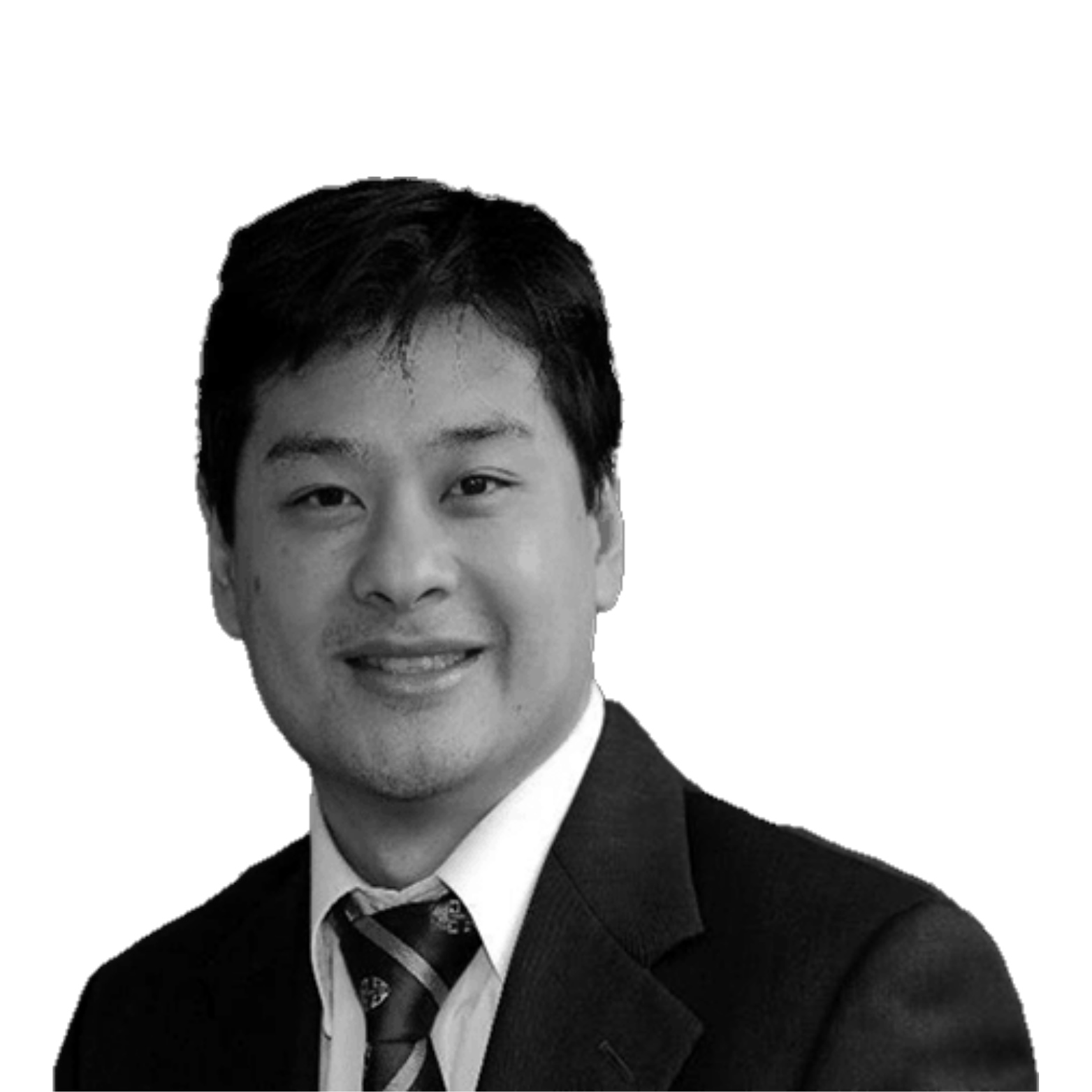
Dr Ronald Chin is an Australian trained Otolaryngologist Head and Neck Surgeon.
After graduating as a Fellow of the Royal Australasian College of Surgeons, Dr Chin undertook further specialised training in Head and Neck Cancer at the Royal College of Surgeons in Ireland.
He has published many research papers and is an active teacher and scholar.
As part of his subspecialty training, Dr Chin has training in Laser, Da Vinci Robotic, Flex Robotic and complex surgical techniques.
In addition to specialised Head and Neck Cancer, Dr Chin also enjoys general adult and paediatric ENT Surgery and practices sinus, snoring/sleep and general paediatric ENT Surgical procedures.
Dr Ronald Chin works as a general Otolaryngologist, offering a wide range of surgical and non-surgical treatments including ear surgery, nose surgery and throat surgery. He provides treatment for chronic conditions such as tonsillitis, sinus problems and problems with hearing.
He is also involved in the diagnosis and treatment of many conditions such as facial paralysis, head and neck cancer and sleep apnea. As well as performing surgery on children, he also provides specialist care for adults, including the treatment of throat disorders, voice loss and ear problems.
Dr Chin has also served as a Conjoint Associate Professor at the University of Sydney, a Conjoint Associate Professor at Western Sydney University and an Adjunct Associate Professor at the University of Technology Sydney.