
Dr Chin’s Guide on Thyroid Surgery and When Do You Need It? Explained
Wondering what is thyroid surgery and when do you need it? Discover essential insights about this procedure and its necessity in our latest blog post.
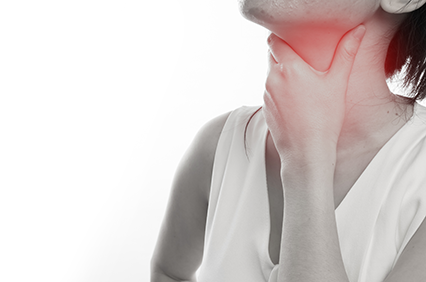
When medications are no longer effective in managing thyroid disorders, surgery may become the best treatment option. Thyroid surgery is commonly performed to remove part or all of the thyroid gland due to conditions like thyroid cancer, large goiters, or overactive thyroid nodules. ENT specialists often coordinate with endocrinologists to ensure optimal care, especially when voice, breathing, or swallowing are involved.
What Is the Thyroid Gland and Why Might It Need Surgery?
The thyroid gland, located in the front of your neck, produces thyroid hormones that regulate heart rate, metabolism, and calcium levels. When thyroid function becomes abnormal—either due to thyroid nodules, thyroid cancer, or a large goiter—surgical removal may be recommended.
When Is Thyroid Surgery Recommended?
Here are common scenarios where surgery becomes necessary:
| Condition | Reason for Surgery |
|---|---|
| Thyroid Cancer | To remove cancerous cells or the entire thyroid gland, often followed by radioactive iodine therapy. |
| Suspicious Nodules | When fine needle aspiration suggests cancer cells or inconclusive results. |
| Toxic Multinodular Goiter | To control excessive hormone production when medication fails. |
| Enlarged Thyroid (Goiter) | Especially when it causes trouble swallowing or breathing. |
| Persistent Hyperthyroidism | When radioactive iodine or medications are not effective or not tolerated. |
Types of Thyroid Surgery
| Type of Surgery | What It Involves |
|---|---|
| Total Thyroidectomy | Removal of the entire thyroid gland. Common in thyroid cancer cases. |
| Thyroid Lobectomy | Removal of only part of the thyroid gland (one lobe), often for isolated nodules. |
| Completion Thyroidectomy | Second surgery to remove the remaining thyroid after an initial lobectomy. |
Each type of surgery is performed under general anesthesia in an operating room, typically through a small incision in the front of the neck. Your surgical team will aim to minimize the visible scar and risk of complications.
What to Expect After Surgery
- You’ll wake up in the recovery room with a breathing tube removed and your vitals monitored.
- Many patients are discharged the day of your surgery or the following day.
- Avoid heavy lifting for a few weeks to protect the incision site.
- If your entire thyroid is removed, you’ll need lifelong thyroid hormone replacement therapy to maintain normal thyroid hormone levels.
Potential Risks and Side Effects
Thyroid surgery is generally safe, but like any procedure, it comes with some risks:
| Complication | Details |
|---|---|
| Voice Changes | Injury to the vocal cord or superior laryngeal nerve, potentially affecting the voice box. |
| Low Calcium Levels | Due to disruption of parathyroid hormone production, leading to muscle cramps or low blood calcium. |
| Nerve Injury | Although rare, there’s a risk of nerve injury that may cause hoarseness or swallowing issues. |
| Bleeding or Infection | At the incision site, though these are uncommon with proper post-op care. |
Coordinating with Your Healthcare Team
Your healthcare team—including your ENT surgeon, endocrinologist, and anesthesiologist—will guide your care based on your thyroid conditions, lab tests, and imaging results. Thyroid function tests and biopsy results help determine the thyroid cancer diagnosis and the most effective surgical removal plan.
- About the Author
- Latest Posts
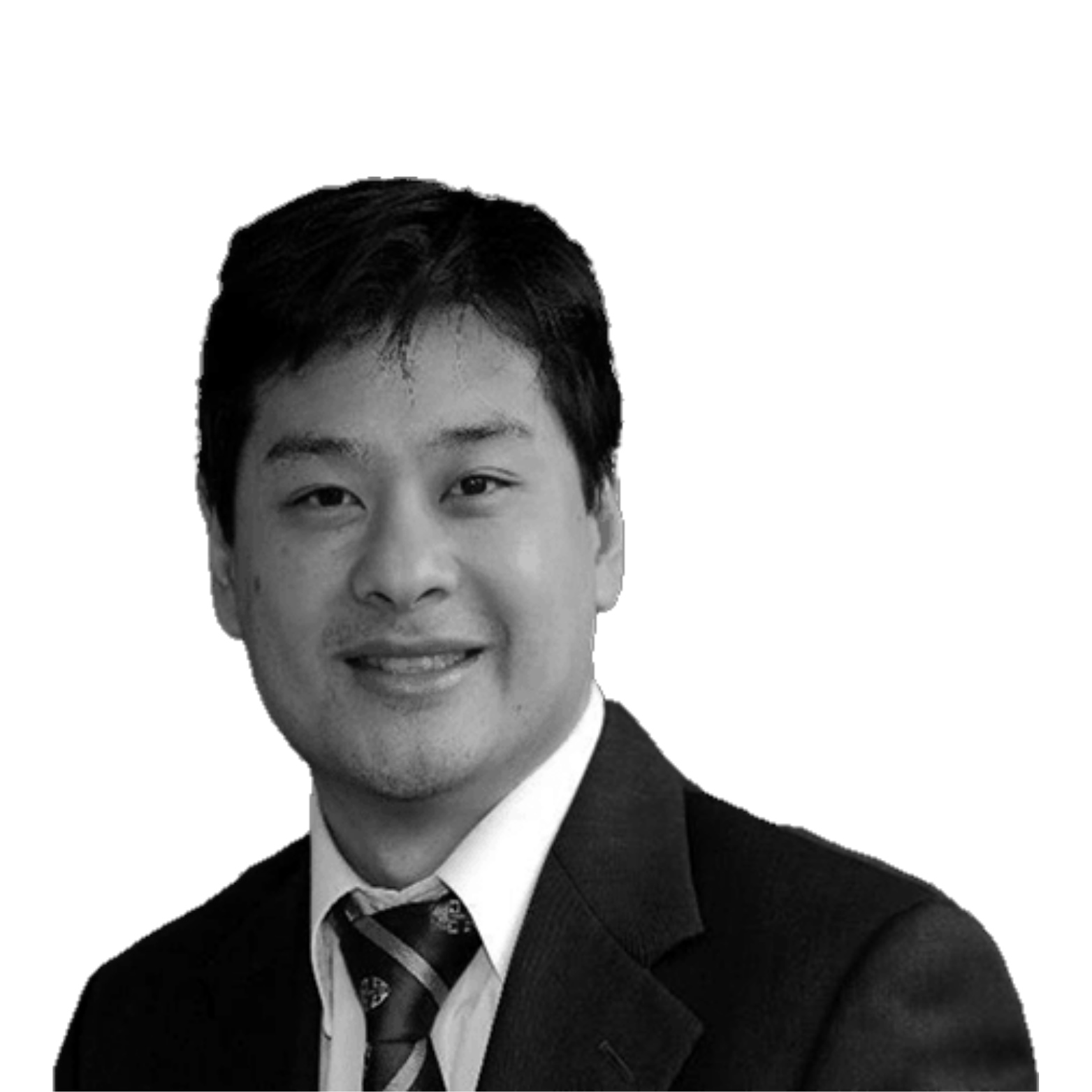
Dr Ronald Chin is an Australian trained Otolaryngologist Head and Neck Surgeon.
After graduating as a Fellow of the Royal Australasian College of Surgeons, Dr Chin undertook further specialised training in Head and Neck Cancer at the Royal College of Surgeons in Ireland.
He has published many research papers and is an active teacher and scholar.
As part of his subspecialty training, Dr Chin has training in Laser, Da Vinci Robotic, Flex Robotic and complex surgical techniques.
In addition to specialised Head and Neck Cancer, Dr Chin also enjoys general adult and paediatric ENT Surgery and practices sinus, snoring/sleep and general paediatric ENT Surgical procedures.
Dr Ronald Chin works as a general Otolaryngologist, offering a wide range of surgical and non-surgical treatments including ear surgery, nose surgery and throat surgery. He provides treatment for chronic conditions such as tonsillitis, sinus problems and problems with hearing.
He is also involved in the diagnosis and treatment of many conditions such as facial paralysis, head and neck cancer and sleep apnea. As well as performing surgery on children, he also provides specialist care for adults, including the treatment of throat disorders, voice loss and ear problems.
Dr Chin has also served as a Conjoint Associate Professor at the University of Sydney, a Conjoint Associate Professor at Western Sydney University and an Adjunct Associate Professor at the University of Technology Sydney.