Dr Chin’s Introduction on What Is Age-Related Hearing Loss (Presbycusis)? Learn More
Discover what is age-related hearing loss (presbycusis) and why it’s not just a part of getting older. Learn about symptoms and treatment options on our blog.
Age-related hearing loss, or presbycusis, is a common condition among older adults, affecting roughly one in three people in the United States aged 65 and older. While it’s often dismissed as a normal part of aging, the symptoms of hearing loss can have a significant impact on your quality of life.
Understanding Presbycusis
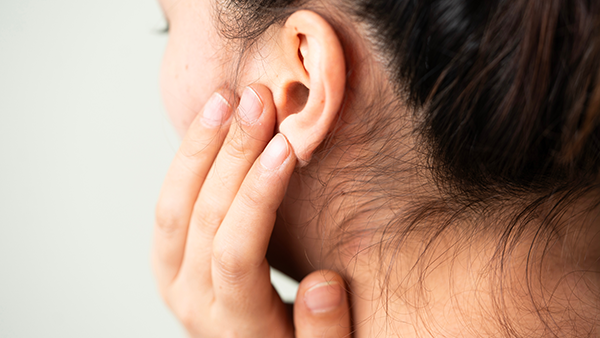
Presbycusis is a type of sensorineural hearing loss caused by gradual changes in the inner ear and auditory nerve. These tiny hair cells in the cochlea, which help transmit sound waves to the brain, are slowly damaged or lost over time. Once destroyed, these sensory cells do not regenerate, leading to permanent hearing impairment.
Many experience difficulty hearing high-pitched or higher frequencies, especially in environments with background noise. Words may seem muffled, and visual cues become essential for communication. Over time, trouble hearing can lead to social isolation, mental health issues, and even cognitive decline.
Causes and Risk Factors
Presbycusis results from various changes in the ear, but several risk factors can accelerate its progression:
- Repeated exposure to loud sounds or loud noises
- Natural aging of hair cells in the inner ear
- Underlying medical conditions like high blood pressure or heart disease
- Family history of hearing loss
- Certain medications that damage hearing structures
While aging is the most common cause of hearing loss in seniors, lifestyle and environmental exposure play major roles.
Diagnosing Age-Related Hearing Loss
A comprehensive hearing test conducted by a licensed hearing specialist or healthcare provider is the first step. This evaluation will identify the type of hearing loss, its severity, and recommend treatment options based on your needs and lifestyle.
Treatment Options and Assistive Support
Though damaged hair cells cannot be restored, several solutions can improve better hearing and daily communication:
- Hearing aids: Enhance sound, especially in noisy settings.
- Cochlear implants: For severe hearing loss where hearing aids are ineffective.
- Assistive listening devices: Help in specific settings like phones, TVs, or public events.
- Sign language and lip-reading techniques.
- Ear protection: Wear ear protection in loud environments to prevent further damage.
Combining assistive devices with lifestyle changes—like a healthy diet, regular exercise, and managing chronic health issues—can reduce the effects of presbycusis.
Why Early Intervention Matters
Presbycusis often progresses slowly, making it easy to ignore. However, untreated hearing loss affects relationships, job performance, safety, and emotional well-being. Many older adults withdraw from social activities, increasing the risk of social isolation and depression. Early diagnosis allows for proactive solutions, helping you maintain independence and stay connected with family members and the world around you.
Preventive Measures You Can Take
While aging can’t be stopped, you can slow hearing decline by protecting your ears. Limit exposure to loud sounds, wear ear protection when needed, and schedule regular hearing tests. Managing medical conditions like high blood pressure and maintaining a healthy diet also support long-term ear health and reduce your risk of hearing impairment.
- About the Author
- Latest Posts

Dr Ronald Chin is an Australian trained Otolaryngologist Head and Neck Surgeon.
After graduating as a Fellow of the Royal Australasian College of Surgeons, Dr Chin undertook further specialised training in Head and Neck Cancer at the Royal College of Surgeons in Ireland.
He has published many research papers and is an active teacher and scholar.
As part of his subspecialty training, Dr Chin has training in Laser, Da Vinci Robotic, Flex Robotic and complex surgical techniques.
In addition to specialised Head and Neck Cancer, Dr Chin also enjoys general adult and paediatric ENT Surgery and practices sinus, snoring/sleep and general paediatric ENT Surgical procedures.
Dr Ronald Chin works as a general Otolaryngologist, offering a wide range of surgical and non-surgical treatments including ear surgery, nose surgery and throat surgery. He provides treatment for chronic conditions such as tonsillitis, sinus problems and problems with hearing.
He is also involved in the diagnosis and treatment of many conditions such as facial paralysis, head and neck cancer and sleep apnea. As well as performing surgery on children, he also provides specialist care for adults, including the treatment of throat disorders, voice loss and ear problems.
Dr Chin has also served as a Conjoint Associate Professor at the University of Sydney, a Conjoint Associate Professor at Western Sydney University and an Adjunct Associate Professor at the University of Technology Sydney.