
Dr Chin’s Perspective in Understanding Hashimoto’s Thyroiditis: Signs & Causes
Discover the symptoms and testable causes of Hashimoto’s thyroiditis, a silent condition with visible signs. Learn more in our comprehensive blog post.
Hashimoto’s thyroiditis is the most common autoimmune thyroid disease. It often develops quietly, and symptoms eventually become hard to ignore. This condition is a long-term thyroiditis, which causes inflammation of the thyroid gland and leads to gradually damaging thyroid tissue. Over time, it results in an underactive thyroid, known as hypothyroidism.
What Is Hashimoto’s Thyroiditis?
Hashimoto’s thyroiditis is an autoimmune disorder where the immune system mistakenly attacks the thyroid gland, causing harm to thyroid cells and disrupting hormone production, leading to hormone imbalance and decreased thyroid function. Patients may notice a swollen thyroid goiter during an ENT exam or thyroid ultrasound.
Recognizing the Early Symptoms
Hashimoto’s usually begins without clear signs. However, symptoms start to show as thyroid hormone levels decrease. Early signs can include:
- Fatigue: Always feeling tired even after resting.
- Weight gain: Gaining weight without changing what I eat.
- Cold intolerance: Feeling very cold when others feel fine.
- Dry skin: Skin that feels rough and flaky, even with lotion.
- Depression: Feeling sad or not enjoying things I usually like.
- Brain fog: Finding it hard to focus or remember things.
- Hair thinning: Slowly losing hair or having thinner hair.
These symptoms might show that someone has subclinical hypothyroidism. This is common in women. Hormonal changes can hide the early warning signs.
Diagnostic Tools and Testable Causes
Identifying Hashimoto’s thyroiditis involves a combination of clinical evaluation, lab testing, and imaging.
Blood Tests
- TSH Levels: Elevated TSH suggests an underactive thyroid.
- Thyroid Hormones (T3, T4): Often reduced in later stages.
- Thyroid Antibodies: Presence of TPO antibodies and thyroid peroxidase antibodies confirms autoimmune activity.
Imaging
- Ultrasound Thyroid: Detects thyroid inflammation, nodules, or a swollen thyroid typical of chronic thyroiditis.
Contributing Factors
- Genetic Predisposition: Family history of autoimmune thyroid disease increases risk.
- Autoimmune Triggers: Infections, stress, and environmental factors can initiate immune response.
- Dietary Links: Imbalances in iodine, gluten sensitivity, and selenium deficiency may contribute.
Treatment Options and Long-Term Care
Managing Hashimoto’s thyroiditis requires a structured, multi-faceted approach. Treatment focuses on restoring hormone balance, reducing symptoms, and preventing complications.
Medical Therapy
- Thyroid Replacement Therapy: The primary treatment is levothyroxine, a synthetic thyroid hormone that helps normalize TSH levels and alleviate symptoms of hypothyroidism.
- Collaborative Care: ENT specialists and endocrinologists often work together to monitor thyroid function, track structural changes, and adjust dosage as needed.
Lifestyle and Nutritional Support
- Dietary Adjustments: A well-managed Hashimoto’s diet may include reducing gluten intake and optimizing nutrients such as selenium and iodine, which support thyroid function.
- Natural Remedies: Supplements and herbal approaches are being explored, but these should complement, not replace standard medical treatments.
Long-Term Monitoring
- Routine Testing: Regular thyroid function tests are essential to track hormone levels, TPO antibodies, and overall disease progression.
- Symptom Awareness: Patients with silent thyroid symptoms or borderline lab values need ongoing evaluation to catch changes early.
With consistent care and attention to both medical and lifestyle factors, most individuals can maintain stable thyroid health and a good quality of life.
- About the Author
- Latest Posts
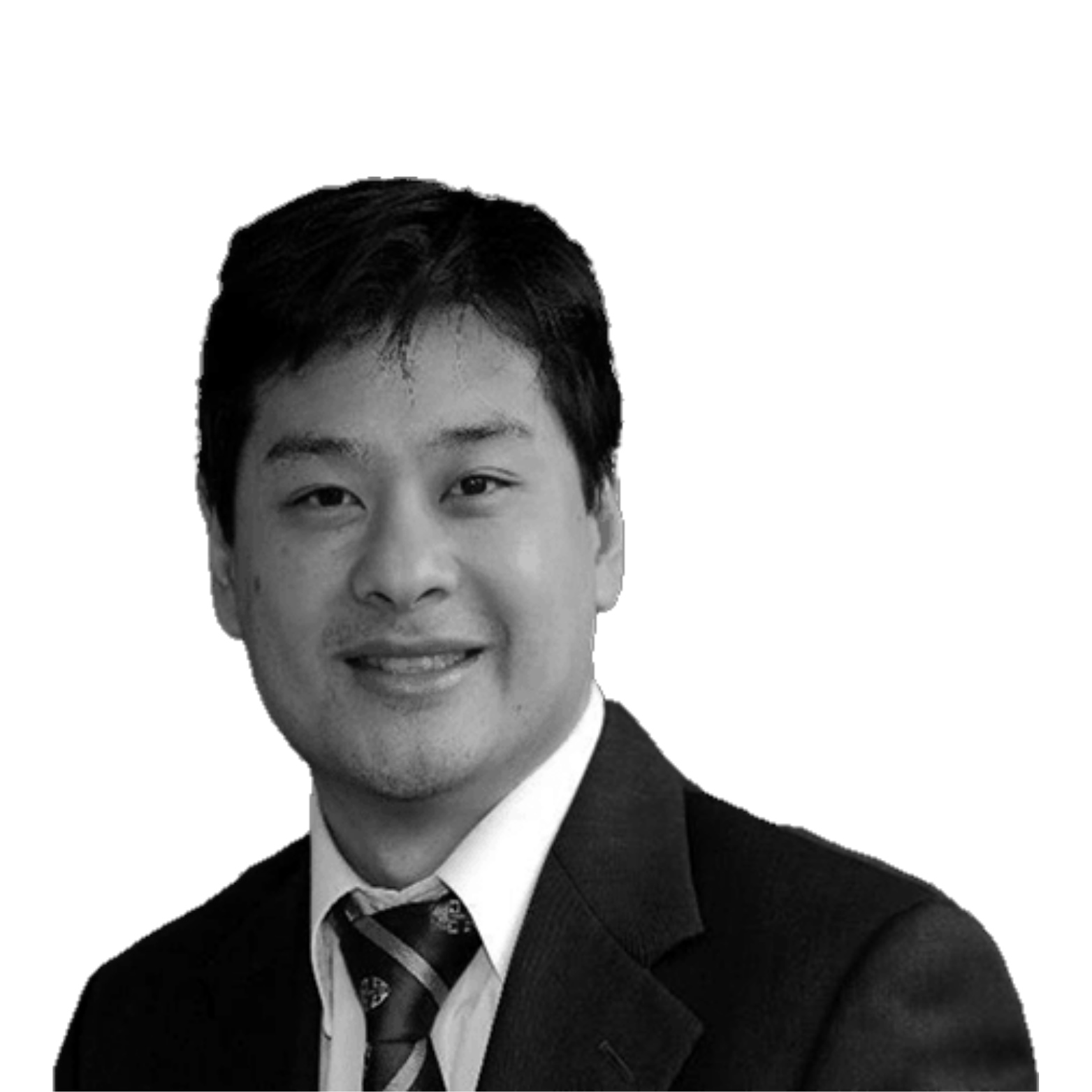
Dr Ronald Chin is an Australian trained Otolaryngologist Head and Neck Surgeon.
After graduating as a Fellow of the Royal Australasian College of Surgeons, Dr Chin undertook further specialised training in Head and Neck Cancer at the Royal College of Surgeons in Ireland.
He has published many research papers and is an active teacher and scholar.
As part of his subspecialty training, Dr Chin has training in Laser, Da Vinci Robotic, Flex Robotic and complex surgical techniques.
In addition to specialised Head and Neck Cancer, Dr Chin also enjoys general adult and paediatric ENT Surgery and practices sinus, snoring/sleep and general paediatric ENT Surgical procedures.
Dr Ronald Chin works as a general Otolaryngologist, offering a wide range of surgical and non-surgical treatments including ear surgery, nose surgery and throat surgery. He provides treatment for chronic conditions such as tonsillitis, sinus problems and problems with hearing.
He is also involved in the diagnosis and treatment of many conditions such as facial paralysis, head and neck cancer and sleep apnea. As well as performing surgery on children, he also provides specialist care for adults, including the treatment of throat disorders, voice loss and ear problems.
Dr Chin has also served as a Conjoint Associate Professor at the University of Sydney, a Conjoint Associate Professor at Western Sydney University and an Adjunct Associate Professor at the University of Technology Sydney.