
Dr Ronald Chin’s Take On Practical Approach To Vertigo
Dr Ronald Chin’s Take On Practical Approach To Vertigo
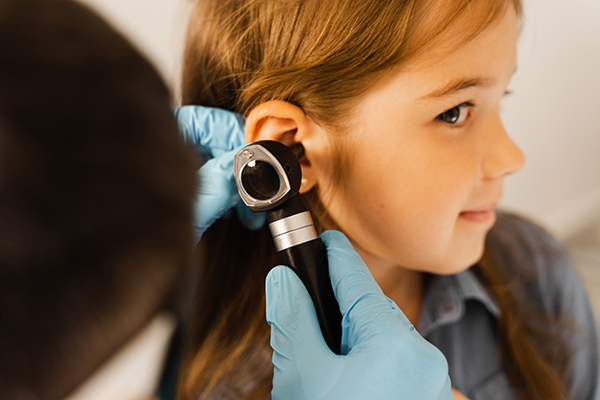
While vertigo is essentially dizziness, feelings can mean different things to different people. There are a few things you can ask the patient to differentiate and clarify the common divisions of dizziness.
You can ask:
● Does the room spin? (Vertigo)
● Do they feel like you’re about to fade? (presyncope)
● Do they feel unsteady? (dysequilibrium)
● Do they feel lightheaded
Vertigo is an issue of movement. Coupled with nausea and vomiting, that indicates an ear-related cause rather than a brain-related cause.
When the ears and eyes do not provide adequate information to the brain about the body’s position, that indicates dysequilibrium.
Presyncope is the result of cardiovascular disorders that reduce cerebral perfusion.
Glue ear, after draining the ear drum
Glue ear, intact ear drum
- About the Author
- Latest Posts
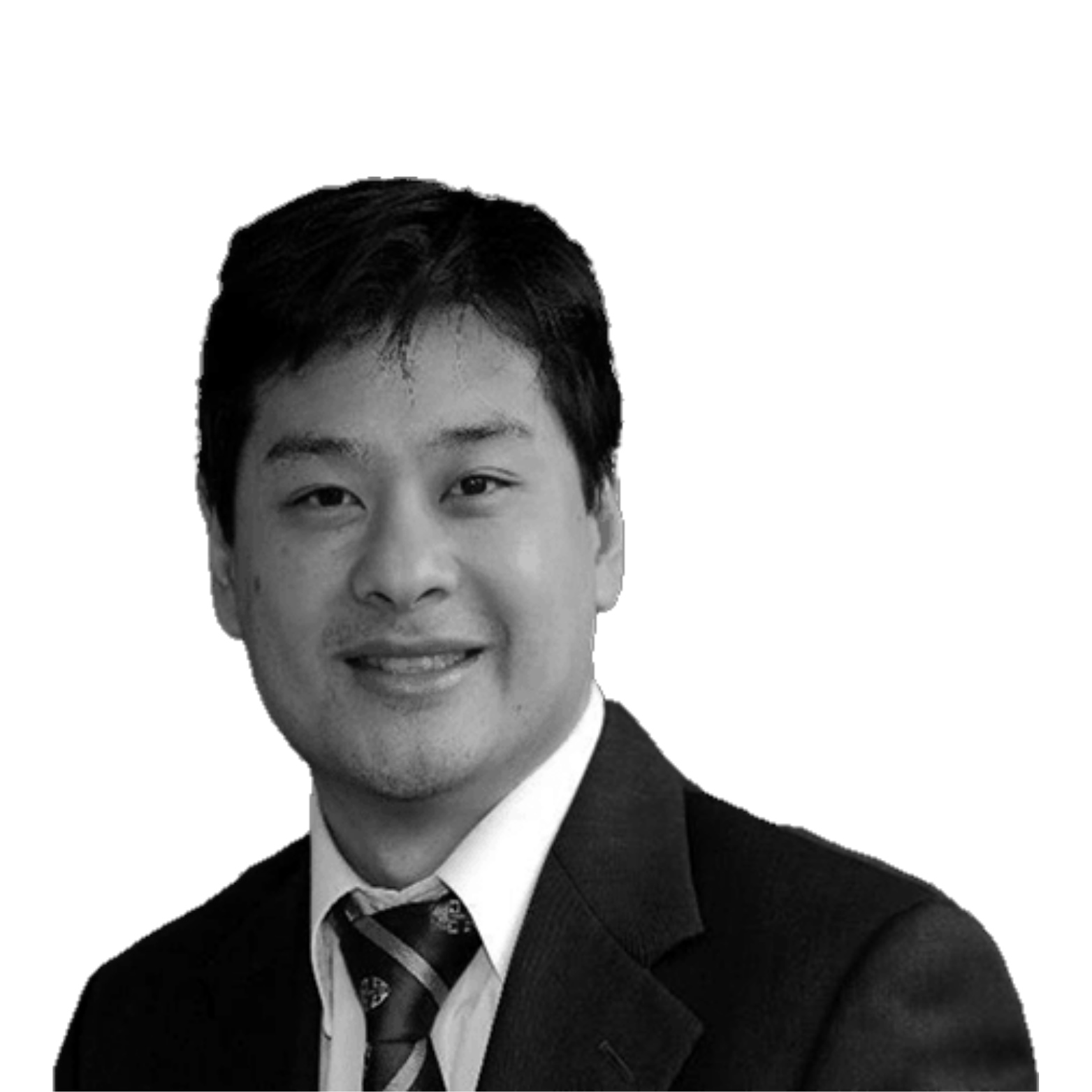
Dr Ronald Chin is an Australian trained Otolaryngologist Head and Neck Surgeon.
After graduating as a Fellow of the Royal Australasian College of Surgeons, Dr Chin undertook further specialised training in Head and Neck Cancer at the Royal College of Surgeons in Ireland.
He has published many research papers and is an active teacher and scholar.
As part of his subspecialty training, Dr Chin has training in Laser, Da Vinci Robotic, Flex Robotic and complex surgical techniques.
In addition to specialised Head and Neck Cancer, Dr Chin also enjoys general adult and paediatric ENT Surgery and practices sinus, snoring/sleep and general paediatric ENT Surgical procedures.
Dr Ronald Chin works as a general Otolaryngologist, offering a wide range of surgical and non-surgical treatments including ear surgery, nose surgery and throat surgery. He provides treatment for chronic conditions such as tonsillitis, sinus problems and problems with hearing.
He is also involved in the diagnosis and treatment of many conditions such as facial paralysis, head and neck cancer and sleep apnea. As well as performing surgery on children, he also provides specialist care for adults, including the treatment of throat disorders, voice loss and ear problems.
Dr Chin has also served as a Conjoint Associate Professor at the University of Sydney, a Conjoint Associate Professor at Western Sydney University and an Adjunct Associate Professor at the University of Technology Sydney.