
Dr Chin Discusses What Thyroid Problems Usually Need Surgery? Find Out Now
Curious about what thyroid problems usually need surgery? Discover the conditions that require surgical intervention versus medication in our latest blog post.
While most thyroid conditions can be managed with medications or monitoring, there are specific scenarios where thyroid surgery becomes necessary. When the thyroid gland, located in the lower front of your neck, grows too large, produces too much hormone, or becomes cancerous, surgery may be the only effective solution.
ENT specialists often perform these procedures to protect nearby structures such as the vocal cords, parathyroid glands, and recurrent laryngeal nerves—all critical for speech, calcium regulation, and breathing.
Why Would Medication No Longer Be Enough?
Some thyroid conditions progress beyond what medication can manage—prompting surgical intervention to resolve structural issues, restore hormone balance, or prevent serious complications like cancer.
| Condition | Why Surgery Becomes Necessary |
|---|---|
| Thyroid Cancer | Requires removal of thyroid tissue, sometimes the entire thyroid gland, often followed by radioactive iodine therapy. |
| Toxic Nodules | A toxic nodule or toxic multinodular goiter can produce too much thyroid hormone, unresponsive to medications. |
| Large Goiters | When they cause difficulty breathing, swallowing, or a visible bulge in the front of your neck. |
| Suspicious Thyroid Nodules | Especially when fine needle aspiration results are inconclusive but suggest cancer. |
| Failed Thyroid Function Control | When medications can’t stabilize thyroid hormone levels or control symptoms of hypothyroidism or hyperthyroidism. |
Types of Thyroid Surgery ENT Surgeons May Recommend
| Type of Surgery | What It Involves |
|---|---|
| Total Thyroidectomy | Removal of the entire gland, typically for thyroid cancer or large multinodular goiters. |
| Partial Thyroidectomy | Removal of part of the thyroid gland—ideal for benign nodules or overactive areas. |
| Thyroid Lobectomy | Removal of one part of your thyroid (a lobe) when the problem is limited to one side of the neck. |
These surgeries are performed under general anesthesia, usually through a small incision in the front of the neck. The type of surgery depends on the diagnosis, medical history, and thyroid function tests.
What Makes Surgery the Best Option?
| Surgical Indication | Underlying Factors |
|---|---|
| Cancer Spread to Lymph Nodes | May require neck dissection to remove affected lymph nodes. |
| Compressive Symptoms | When thyroid enlargement presses on the windpipe or esophagus. |
| Autoimmune Disease Complications | Some autoimmune diseases can cause irreversible gland damage, requiring removal. |
| Persistent Hormone Imbalance | Despite medication, hormone levels remain unstable or symptoms persist. |
| Increased Risk of Complications | Ongoing issues such as hoarse voice, muscle cramps, or low blood calcium from impaired parathyroid glands. |
Post-Surgery Considerations
- If the entire thyroid is removed, you’ll need thyroid hormone replacement for the rest of your life to ensure your body gets enough hormone.
- There’s a risk of bleeding, sore throat, and temporary voice changes after surgery.
- Activities like heavy lifting may be restricted during recovery to avoid disturbing the neck wound.
- Maintaining calcium levels post-op is essential due to the proximity of the parathyroid glands.
According to the American Thyroid Association, the most common treatment for thyroid cancer and certain thyroid disorders remains surgical removal—especially when a physical examination reveals a fast-growing nodule or obstructive thyroid issue that can’t be managed medically.
- About the Author
- Latest Posts
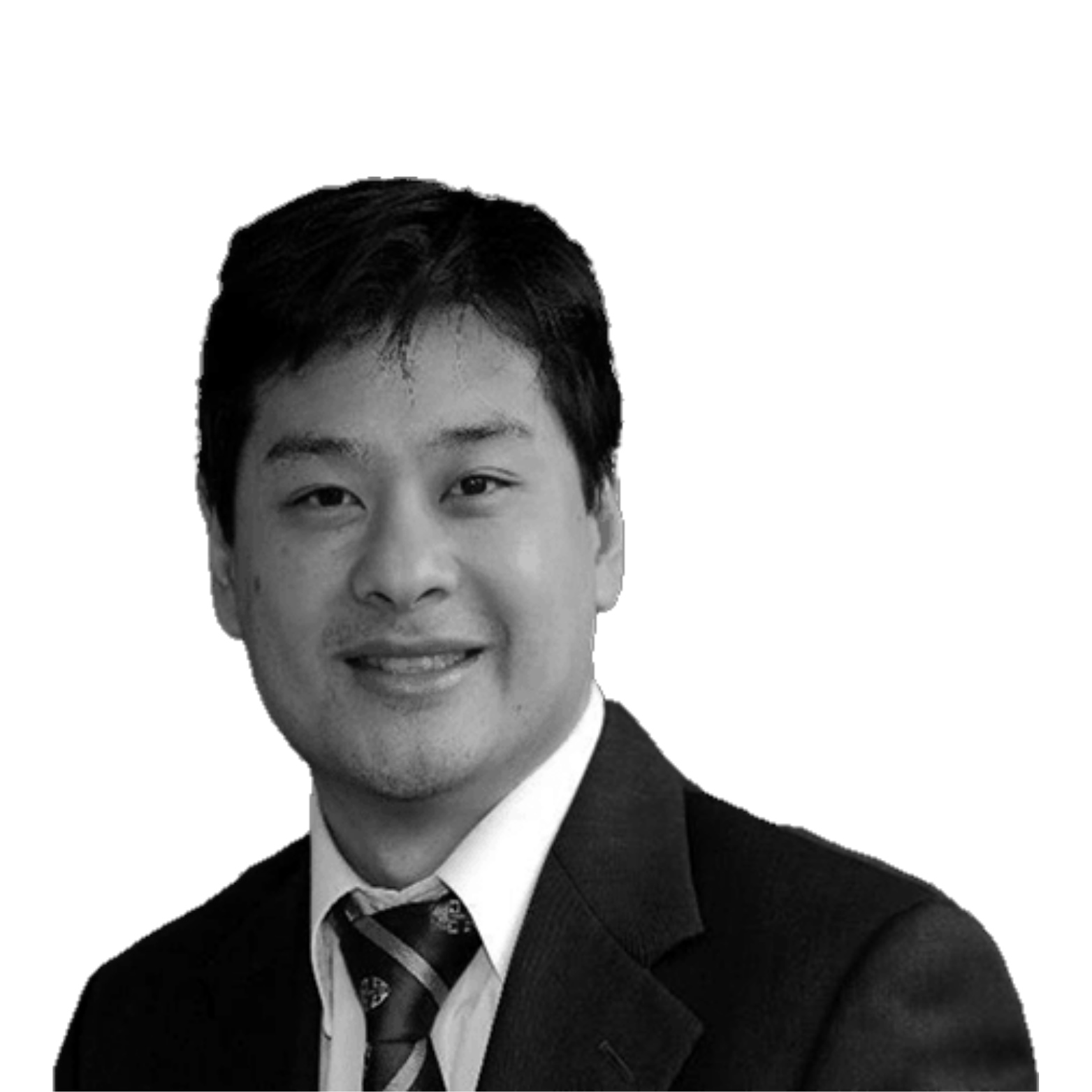
Dr Ronald Chin is an Australian trained Otolaryngologist Head and Neck Surgeon.
After graduating as a Fellow of the Royal Australasian College of Surgeons, Dr Chin undertook further specialised training in Head and Neck Cancer at the Royal College of Surgeons in Ireland.
He has published many research papers and is an active teacher and scholar.
As part of his subspecialty training, Dr Chin has training in Laser, Da Vinci Robotic, Flex Robotic and complex surgical techniques.
In addition to specialised Head and Neck Cancer, Dr Chin also enjoys general adult and paediatric ENT Surgery and practices sinus, snoring/sleep and general paediatric ENT Surgical procedures.
Dr Ronald Chin works as a general Otolaryngologist, offering a wide range of surgical and non-surgical treatments including ear surgery, nose surgery and throat surgery. He provides treatment for chronic conditions such as tonsillitis, sinus problems and problems with hearing.
He is also involved in the diagnosis and treatment of many conditions such as facial paralysis, head and neck cancer and sleep apnea. As well as performing surgery on children, he also provides specialist care for adults, including the treatment of throat disorders, voice loss and ear problems.
Dr Chin has also served as a Conjoint Associate Professor at the University of Sydney, a Conjoint Associate Professor at Western Sydney University and an Adjunct Associate Professor at the University of Technology Sydney.