
Dr Chin’s Guide on How Thyroid Disorders Are Diagnosed Effectively
Discover how thyroid disorders are diagnosed and what symptoms trigger deeper thyroid testing. Learn about the diagnosis process in our latest blog post.
Thyroid disease can present with symptoms resembling other medical conditions, such as underactive, overactive, or thyroid cancer. Early signs may appear in the neck, requiring further investigation. Physical exams, thyroid tests, and imaging may be conducted to assess thyroid function. Patients with Hashimoto’s disease, thyroid storm, or high TSH levels may have disrupted metabolism, leading to surgery or fine needle aspiration. Leading institutions support evidence-based guidelines to interpret test results and determine patients’ thyroid hormone levels and risk.
Recognizing Early Signs in ENT Practice
ENTs often encounter early signs of thyroid disorders during routine evaluations for voice changes, neck swelling, or unexplained fatigue.
| Sign | Summary Description |
|---|---|
| Neck Masses or Swelling | A common early sign of thyroid problems, often linked to goiter or nodules. ENT evaluation may lead to a thyroid scan or radioactive iodine uptake to assess the amount of iodine absorbed by the gland. |
| Hoarseness and Voice Changes | Pressure on the recurrent laryngeal nerve from thyroid growths can affect speech. Persistent hoarseness may signal an overactive thyroid or thyroid antibodies related to Hashimoto’s disease. |
| Unexplained Fatigue | Fatigue, often associated with symptoms of hypothyroidism, may stem from underactive thyroid or imbalanced body’s metabolism. ENT providers may recommend blood tests to check TSH, thyroid function, and thyroid antibodies. |
| Increased Heart Rate or Breathing Difficulty | May reflect much thyroid hormone or a hypermetabolic state. ENT providers collaborate with primary care providers to order a blood sample, assess pituitary gland function, and check for main thyroid disorders. |
| Referral Indicators | Patients with abnormal thyroid findings, especially older patients or those with a complex medical history, may require radioactive iodine therapy, thyroid surgery, or specialist referral. Guidelines from the American Thyroid Association, Radiological Society of North America, and American College of Radiology support clinical decisions. |
Systemic Symptoms That Prompt Lab Testing
Widespread symptoms often reveal underlying thyroid issues, prompting blood tests to assess hormone levels and thyroid function.
- Weight Changes & Fatigue – Sudden weight gain or loss with low energy may signal an underactive or overactive thyroid. TSH and T4 levels help check for imbalance linked to the pituitary gland at the base of the brain.
- Temperature Sensitivity – Feeling too cold or hot may indicate too little or too much thyroid hormone, often tied to Hashimoto’s disease or abnormal thyroid antibodies affecting the body’s metabolism.
Related Symptoms Often Seen by ENT Providers
Thyroid-related symptoms often present during ENT consultations, especially when the gland affects nearby structures in the neck.
Here are common signs ENT providers frequently encounter:
- Neck swelling or fullness – Suggests goiter or thyroid nodules.
- Voice changes – May result from nerve pressure by an enlarged thyroid.
- Swallowing or breathing issues – Caused by compression from growths.
- Throat discomfort – Tightness near the base of the neck.
- Enlarged lymph nodes – May signal thyroid cancer.
- Neck tenderness – Common in inflammatory thyroid conditions.
- Palpable nodules – Often lead to thyroid function tests or biopsy.
- About the Author
- Latest Posts
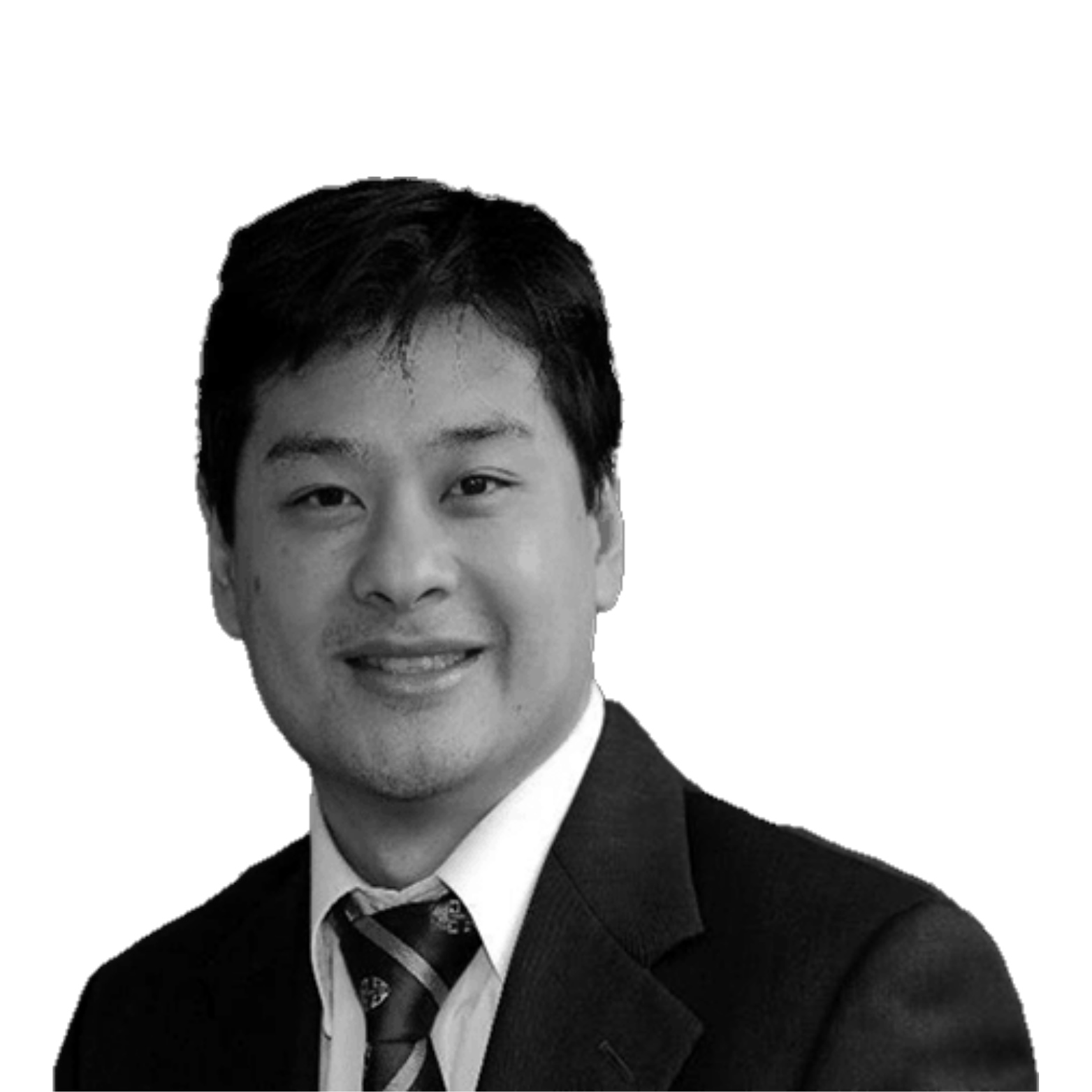
Dr Ronald Chin is an Australian trained Otolaryngologist Head and Neck Surgeon.
After graduating as a Fellow of the Royal Australasian College of Surgeons, Dr Chin undertook further specialised training in Head and Neck Cancer at the Royal College of Surgeons in Ireland.
He has published many research papers and is an active teacher and scholar.
As part of his subspecialty training, Dr Chin has training in Laser, Da Vinci Robotic, Flex Robotic and complex surgical techniques.
In addition to specialised Head and Neck Cancer, Dr Chin also enjoys general adult and paediatric ENT Surgery and practices sinus, snoring/sleep and general paediatric ENT Surgical procedures.
Dr Ronald Chin works as a general Otolaryngologist, offering a wide range of surgical and non-surgical treatments including ear surgery, nose surgery and throat surgery. He provides treatment for chronic conditions such as tonsillitis, sinus problems and problems with hearing.
He is also involved in the diagnosis and treatment of many conditions such as facial paralysis, head and neck cancer and sleep apnea. As well as performing surgery on children, he also provides specialist care for adults, including the treatment of throat disorders, voice loss and ear problems.
Dr Chin has also served as a Conjoint Associate Professor at the University of Sydney, a Conjoint Associate Professor at Western Sydney University and an Adjunct Associate Professor at the University of Technology Sydney.