Dr Chin’s Tips and Guide on What Does the Thyroid Do and Why Remove It? Explained
Curious about “what does the thyroid do and why remove it?” Discover the importance of this essential gland and when removal might be necessary in our blog.
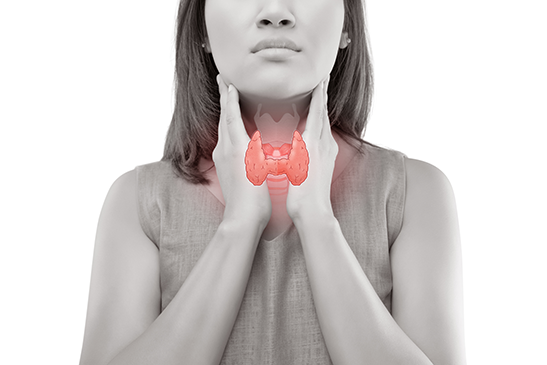
The thyroid gland sits in the front of your neck, just below the voice box. Though small, it plays a crucial role in your endocrine system by producing thyroid hormones that affect nearly every organ. From regulating heart rate to managing body temperature and weight, the thyroid is essential to day-to-day function.
However, when thyroid disorders develop—especially those involving thyroid cancer, autoimmune disease, or an enlarged thyroid gland—removal of all or part of the thyroid may be necessary to protect your health.
What Does the Thyroid Gland Do?
| Function | Why It Matters |
|---|---|
| Regulates Metabolism | Controls how the body uses energy, affecting weight loss, weight gain, and body temperature. |
| Manages Heart Function | Influences heart rate, blood pressure, and cardiovascular health. |
| Supports Reproductive Health | Disruption can lead to irregular menstrual periods or fertility problems. |
| Interacts with Other Hormones | Works with the pituitary gland to maintain stable hormone levels. |
When your thyroid doesn’t produce enough thyroid hormones, it results in hypothyroidism, while producing too much thyroid hormone leads to hyperthyroidism.
Why Would a Doctor Recommend Thyroid Removal?
Your health care provider may recommend thyroid surgery if you have conditions that cannot be managed with medication or pose serious risks.
| Reason for Removal | Details |
|---|---|
| Thyroid Cancer | The most urgent reason. Often treated with total thyroidectomy and possibly radioactive iodine therapy. |
| Enlarged Thyroid (Goiter) | When it causes trouble breathing, swallowing, or a visible bulge in the front of the neck. |
| Overactive Thyroid | Especially when caused by toxic nodules or autoimmune disorder, like Graves’ disease. |
| Suspicious Nodules | If fine needle aspiration reveals abnormal or uncertain results, surgical removal may be needed. |
| Hashimoto’s Disease | In severe cases of autoimmune disease, surgery may be the last resort. |
How Is the Thyroid Removed?
Depending on the condition, your healthcare team may suggest a partial thyroidectomy (removal of part of the thyroid gland) or a total thyroidectomy (removal of the entire thyroid). The procedure is done under general anesthesia, often requiring less time in the hospital than expected.
After surgery, most patients will need thyroid hormone replacement for the rest of their lives to maintain proper thyroid hormone levels and avoid complications like weight gain, fatigue, or low calcium levels.
Who Is at Higher Risk for Thyroid Problems?
| Risk Factor | Description |
|---|---|
| Autoimmune Conditions | Such as Hashimoto’s disease or Graves’ disease. |
| Family History | A strong medical history of thyroid disease increases risk. |
| Radiation Exposure | Prior radiation therapy to the head or neck. |
| Iodine Deficiency | While rare in the United States, consuming too much iodine can also be harmful. |
| Female Gender | Women are at higher risk, especially during hormonal changes. |
Routine blood tests, thyroid function tests, and thyroid ultrasound are often part of evaluating your symptoms. If you’re experiencing signs like a rapid heart rate, high cholesterol, symptoms of hypothyroidism, or notice a swelling in the front of your neck, consult your health care provider. Early diagnosis leads to more treatment options—and better outcomes.
- About the Author
- Latest Posts
Dr Ronald Chin is an Australian trained Otolaryngologist Head and Neck Surgeon.
After graduating as a Fellow of the Royal Australasian College of Surgeons, Dr Chin undertook further specialised training in Head and Neck Cancer at the Royal College of Surgeons in Ireland.
He has published many research papers and is an active teacher and scholar.
As part of his subspecialty training, Dr Chin has training in Laser, Da Vinci Robotic, Flex Robotic and complex surgical techniques.
In addition to specialised Head and Neck Cancer, Dr Chin also enjoys general adult and paediatric ENT Surgery and practices sinus, snoring/sleep and general paediatric ENT Surgical procedures.
Dr Ronald Chin works as a general Otolaryngologist, offering a wide range of surgical and non-surgical treatments including ear surgery, nose surgery and throat surgery. He provides treatment for chronic conditions such as tonsillitis, sinus problems and problems with hearing.
He is also involved in the diagnosis and treatment of many conditions such as facial paralysis, head and neck cancer and sleep apnea. As well as performing surgery on children, he also provides specialist care for adults, including the treatment of throat disorders, voice loss and ear problems.
Dr Chin has also served as a Conjoint Associate Professor at the University of Sydney, a Conjoint Associate Professor at Western Sydney University and an Adjunct Associate Professor at the University of Technology Sydney.