
Dr Ronald Chin Looks At Allergic Rhinitis
Dr Ronald Chin Looks At Allergic Rhinitis
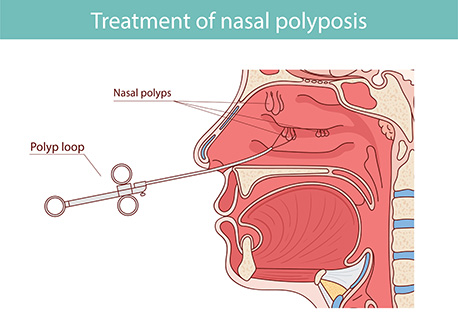
Several factors may cause allergic rhinitis, including genetic susceptibility, exposure to allergens, environmental factors, or exposure to smoke.
After contracting allergic rhinitis, patients with a predisposition or sensitization to certain allergens 9 usually airborne) includes IgE antibody production. On subsequent exposure, the attachment of the specific antigen to the IgE antibodies provokes an inflammatory response.
The symptoms of seasonal allergic rhinitis usually occur or increase during certain seasons. Typically due to pollen. The symptoms are generally watery rhinorrhoea, sneezing, red or watery eyes, nasal congestion, itchy eyes, nose, throat, and ears. You may also experience wet, swollen mucosa, buish, and pale turbinates.
Symptoms of perennial allergic rhinitis are mostly constant, with little seasonal variations. The symptoms are nasal congestion and postnasal drip, rhinorrhoea, eye symptoms, and sneezing. This is usually due to dust mites.
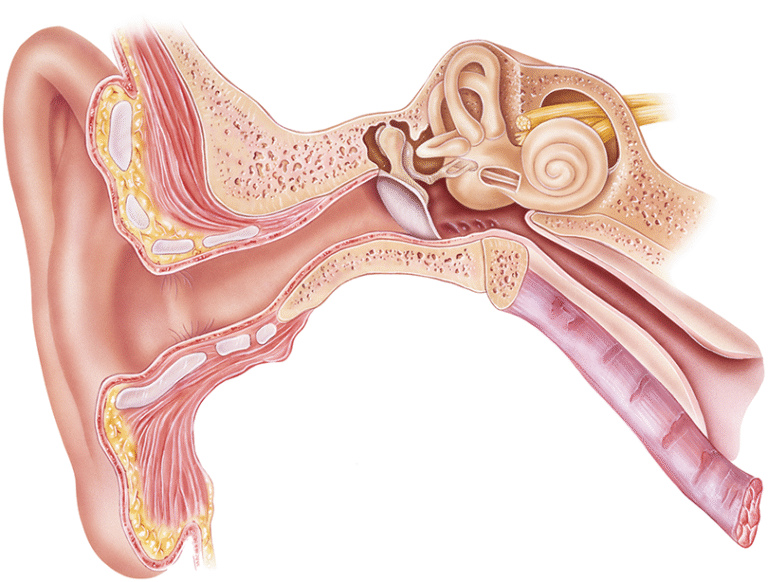
Glue ear, after draining the ear drum
Glue ear, intact ear drum
- About the Author
- Latest Posts

Dr Ronald Chin is an Australian trained Otolaryngologist Head and Neck Surgeon.
After graduating as a Fellow of the Royal Australasian College of Surgeons, Dr Chin undertook further specialised training in Head and Neck Cancer at the Royal College of Surgeons in Ireland.
He has published many research papers and is an active teacher and scholar.
As part of his subspecialty training, Dr Chin has training in Laser, Da Vinci Robotic, Flex Robotic and complex surgical techniques.
In addition to specialised Head and Neck Cancer, Dr Chin also enjoys general adult and paediatric ENT Surgery and practices sinus, snoring/sleep and general paediatric ENT Surgical procedures.
Dr Ronald Chin works as a general Otolaryngologist, offering a wide range of surgical and non-surgical treatments including ear surgery, nose surgery and throat surgery. He provides treatment for chronic conditions such as tonsillitis, sinus problems and problems with hearing.
He is also involved in the diagnosis and treatment of many conditions such as facial paralysis, head and neck cancer and sleep apnea. As well as performing surgery on children, he also provides specialist care for adults, including the treatment of throat disorders, voice loss and ear problems.
Dr Chin has also served as a Conjoint Associate Professor at the University of Sydney, a Conjoint Associate Professor at Western Sydney University and an Adjunct Associate Professor at the University of Technology Sydney.