
Dr. Ronald Chin’s Take on the Examination of the Nose
Dr. Ronald Chin’s Take on the Examination of the Nose
So first, we’ll check the shape of the nose to see if there is any septal deviation or if the nostrils are symmetrical. We also check the skin on the nose for any abnormalities or signs of trauma.
Next, we block one nostril at a time and observe if breathing is silent through the other side to assess airway patency. Ideally, breathing should be quiet and effortless at rest.
You should also look for Alar Collapse while you’re at it. We can test this by placing a cold, shiny surface (like a metal tongue depressor) under the nose and seeing if condensation forms during breathing out.
Next, we examine the nasal tip by lifting it gently and then inspect the nasal vestibule. We’ll use a nasal speculum to examine the mucosa, nasal septum, nose floor, and turbinates.
Finally, use a nasoendoscope to examine the back part of the nose and the space behind it.
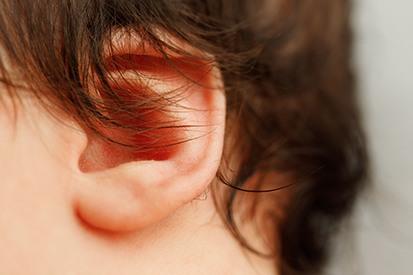
Glue ear, after draining the ear drum
Glue ear, intact ear drum
- About the Author
- Latest Posts
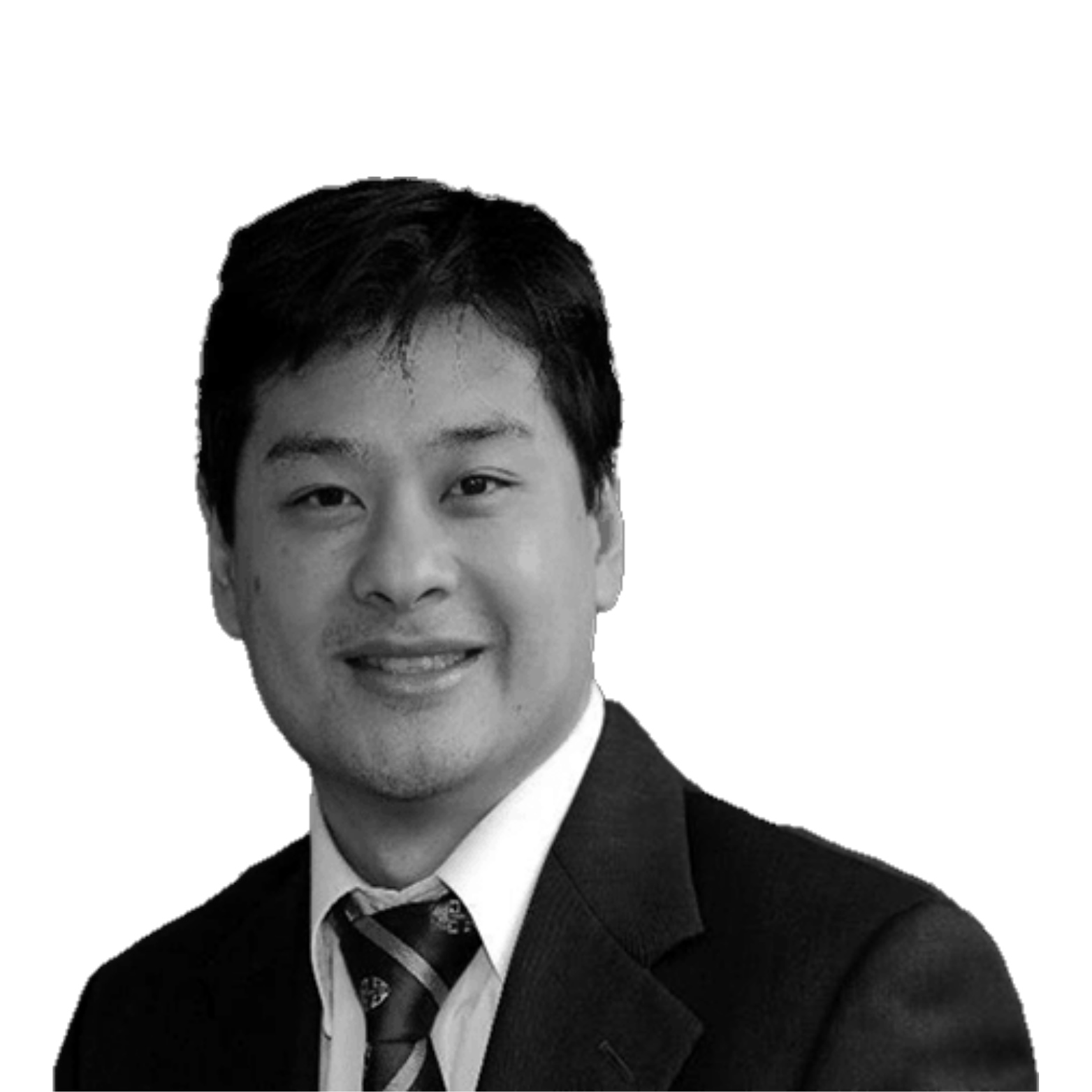
Dr Ronald Chin is an Australian trained Otolaryngologist Head and Neck Surgeon.
After graduating as a Fellow of the Royal Australasian College of Surgeons, Dr Chin undertook further specialised training in Head and Neck Cancer at the Royal College of Surgeons in Ireland.
He has published many research papers and is an active teacher and scholar.
As part of his subspecialty training, Dr Chin has training in Laser, Da Vinci Robotic, Flex Robotic and complex surgical techniques.
In addition to specialised Head and Neck Cancer, Dr Chin also enjoys general adult and paediatric ENT Surgery and practices sinus, snoring/sleep and general paediatric ENT Surgical procedures.
Dr Ronald Chin works as a general Otolaryngologist, offering a wide range of surgical and non-surgical treatments including ear surgery, nose surgery and throat surgery. He provides treatment for chronic conditions such as tonsillitis, sinus problems and problems with hearing.
He is also involved in the diagnosis and treatment of many conditions such as facial paralysis, head and neck cancer and sleep apnea. As well as performing surgery on children, he also provides specialist care for adults, including the treatment of throat disorders, voice loss and ear problems.
Dr Chin has also served as a Conjoint Associate Professor at the University of Sydney, a Conjoint Associate Professor at Western Sydney University and an Adjunct Associate Professor at the University of Technology Sydney.