Dr Chin’s Outlook on Key Symptoms of Hyperthyroidism You Mustn’t Ignore
Discover the key symptoms of Hyperthyroidism that you shouldn’t ignore.
📧 info.familyent@gmail.com

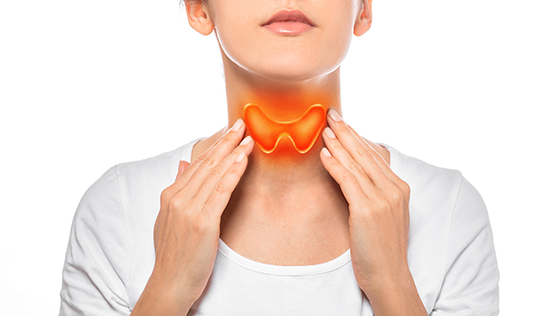
Discover the key symptoms of Hyperthyroidism that you shouldn’t ignore.

Discover the importance of pediatric ENT care in spotting early problems and ensuring proper development for your child’s health. Read our guide!

Discover the importance of pediatric ENT care in spotting early problems and ensuring proper development for your child’s health. Read our guide!

ENT specialists, especially in rhinology, treat disorders of the nasal cavity, nasal passages, and paranasal sinuses, which are vital to respiratory health.
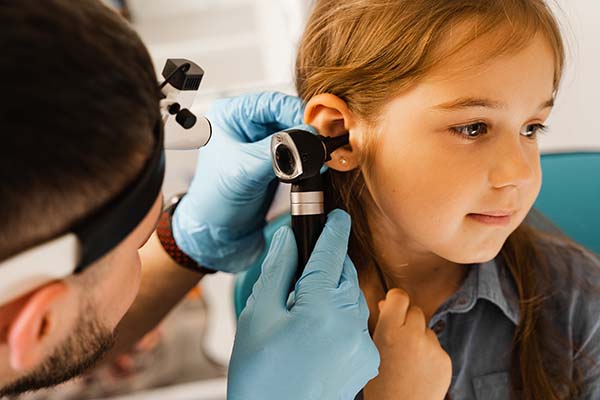
Pediatric ENT is a medical specialty that focuses on diagnosing, treating, and managing ear, nose, and throat conditions in children.

Cancers affecting the nasal cavity and paranasal sinuses are uncommon but can be aggressive. They are part of a broader category of head and neck malignancies

Sialolithiasis is the presence of stones in any of the salivary glands or ducts.

Benign salivary gland tumors typically present as painless, slow-growing nodules. Though non-cancerous, these tumors require careful evaluation to rule out malignancy.

Acute sialadenitis is an inflammatory condition that affects the salivary glands, primarily caused by bacterial or viral infections.

Salivary glands play a vital role in keeping your mouth healthy, aiding digestion, and protecting against infections.
End of content
End of content